What Operator-Ready Really Means
In the boiler room, “operator-ready” gets used a lot.
Licensed. Available. On the schedule.
But in practice, operator-ready means much more than holding a license or showing up for a shift. And facilities that confuse the two often learn the difference the hard way.
So what does operator-ready actually mean?
Understanding Steam Pressure, Temperature, and Quality (And Why They’re Related — But — Not the Same Thing)
Steam looks simple. It’s just hot water, right? Not quite.
To really understand steam systems, beginners need to separate three ideas that often get tangled together: pressure, temperature, and quality. They’re connected—but they’re not interchangeable. Confusing them is one of the fastest ways to misunderstand how steam actually behaves.
Let’s take a look at them one at a time.
Fire, Steam, and Energy
Every boiler starts with treated water in the tank (more on that later).
Water is made of tiny particles called molecules. Each one has two hydrogen atoms and one oxygen atom—H₂O. And as you know, water exists in three forms: ice, liquid, and vapor. Steam is water vapor when it’s hot and carrying energy.
Let me explain:
Ice is what water looks like when its molecules aren’t moving much at all. They’re locked in place.
Liquid water is what happens when those molecules loosen up. They can move around each other, which is why water flows and takes the shape of its container. This energy change is an increase in velocity.
Steam is the shape water takes when the molecules are moving very fast and spread far apart. The energy that the molecule holds at this phase, compared to the rest is monumental to the reason why steam helps to makes 95% of everything. It’s an energy dense fluid.
What makes water (in each of its forms) valuable is…
How Industrial Steam Systems Work
Steam has been doing the heavy lifting of industry for over 200 years—and it’s still one of the most efficient ways to move energy from one place to another. But if you’re new to boilers, steam systems can feel intimidating. Hot water under pressure, moving parts, gauges everywhere, and a rulebook thick enough to sink a small boat.
Let’s slow this down.

Types of Industrial Boilers and Their Applications
If you hang around boiler rooms long enough, you learn two things:
Coffee tastes better when it’s sitting on a hot steel shell. And there’s no such thing as a universal boiler that works everywhere.
In short: industrial boilers aren’t interchangeable tools—they’re purpose-built machines. Each design exists because someone, somewhere, needed steam delivered in a specific way: fast or slow, high pressure or low, forgiving or precise.
So, understanding how a boiler works is useful. But understanding where it works best is what keeps systems running—and operators sane.
So let’s unpack the three major types of industrial boilers—fire tube, water tube, and cast-iron—through the lens that actually matters: their applications. What each design is good at, where it shines, and where it absolutely does not belong.
Low Water Cutoffs: Cleaning Isn’t Testing (Part 2)
Most boiler rooms aren’t failing because they lack equipment. They’re failing because they assume the equipment will save them.
Low-water cutoffs are a perfect example. They’re simple, reliable devices. Right up until sludge, scale, or “we don’t shut it down” culture turns them into decorations.
So, here’s the operator-to-operator view of testing.
Low Water Cutoffs: What They Are and Why Most Boilers Have Two (Part 1)
If you run boilers long enough, you learn one lesson fast: low water is not a “maintenance issue.” It’s a failure mode.
Water isn’t just what you’re turning into steam. It’s also what keeps metal from overheating. When level drops, the heating surfaces lose that protection, temperatures spike, and damage comes quick. If somebody then “saves the day” by dumping water into an overheated boiler, you can create violent flash steam conditions. None of this is theoretical.
So let’s slow this down and keep it operator-to-operator.
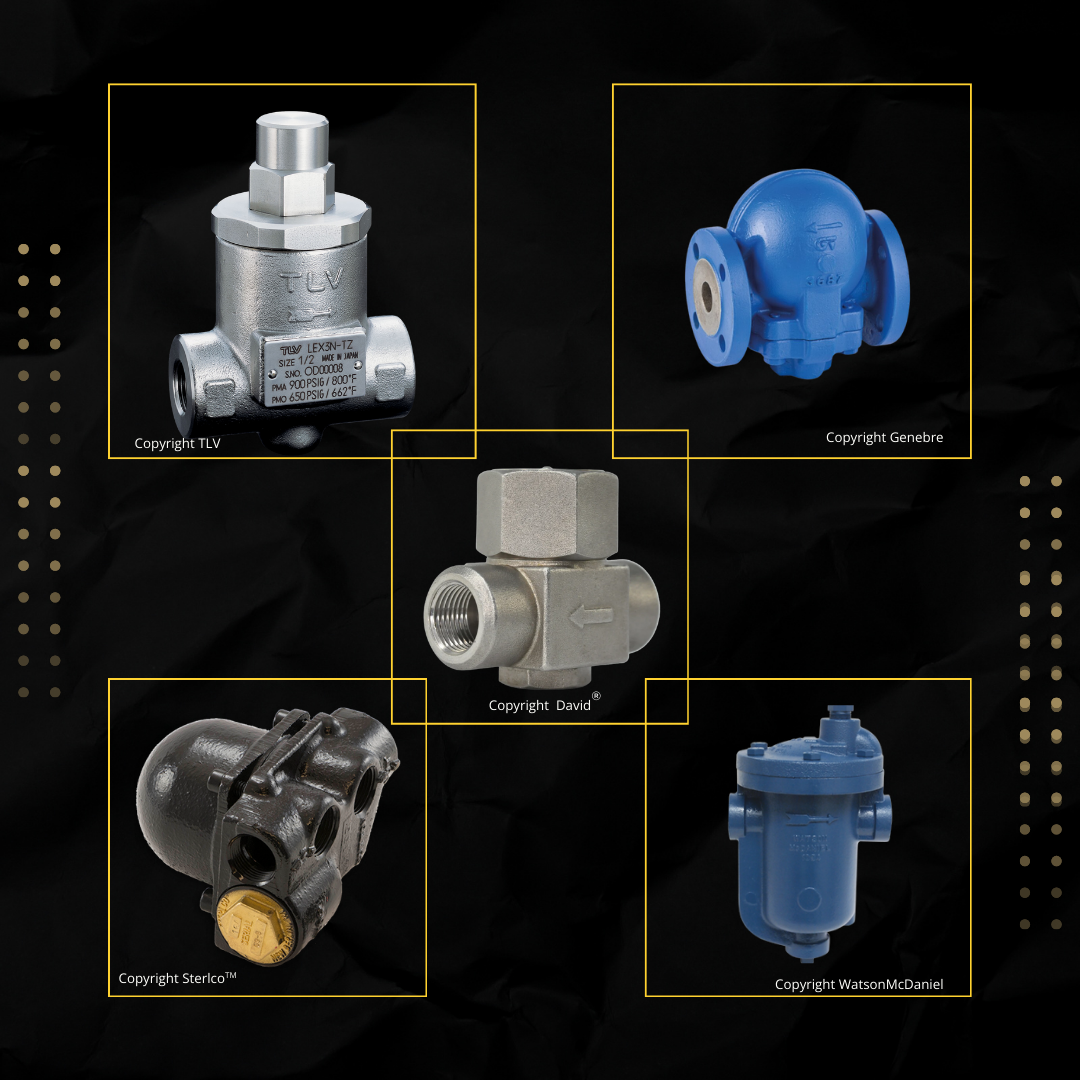
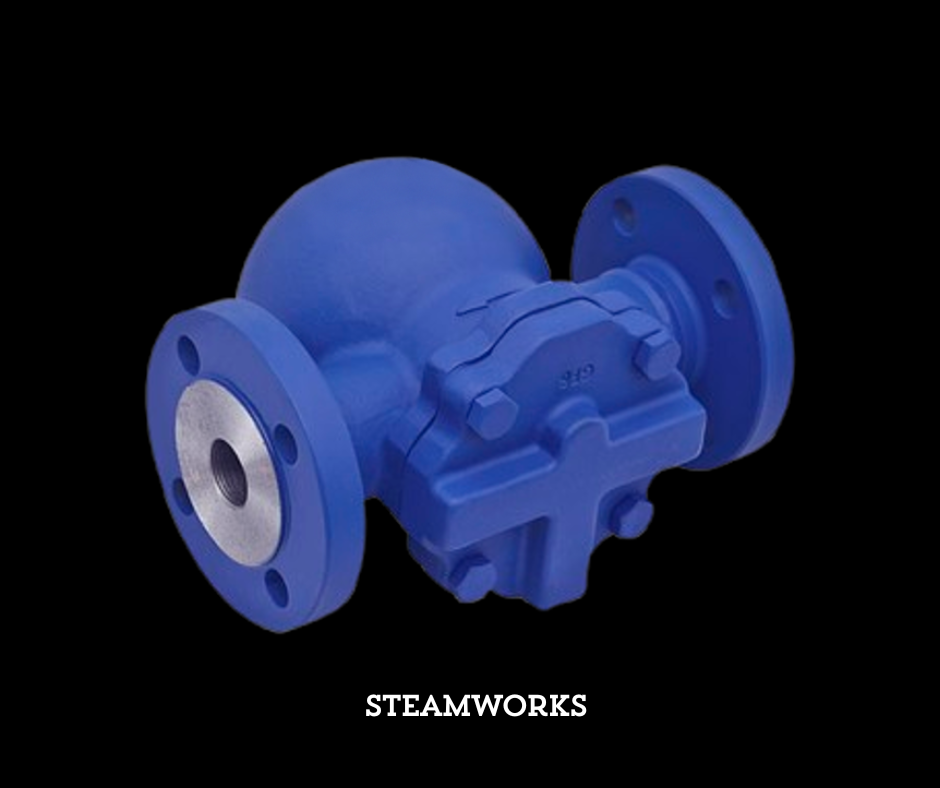
The Most Common Types of Steam Traps and How to Choose the Right One
Your steam system is designed for steam. It's excellent at conveying steam at the right temperature and pressure wherever it needs to go. But steam isn’t the only thing in those pipes. Air, condensate, and impurities are fellow travelers wherever steam is moving. They can be major threats to your heat exchangers, pipes, and steam processes–which means they’re a threat to your safety and the bottom line. The solution? The humble, helpful steam trap.
How to Diagnose a Steam Trap Failure
Steam traps are wonderful tools, helping regulate piping systems and heat exchangers for long life and maximum efficiency. But steam traps, like all mechanical systems, can fail–resulting in dangerous conditions and major increases in cost. Line debris and scale can jam up a steam trap, sealing steam in or disrupting the moving pieces. Water hammer (a dangerous condition caused when water is carried along a steam line) can dent, bend, or even break fragile parts. Freezing conditions can clog or even destroy a steam trap. It’s essential that operators and maintenance personnel know how to recognize these failures, so the problem can be fixed promptly and safely.
From Tank to Torch
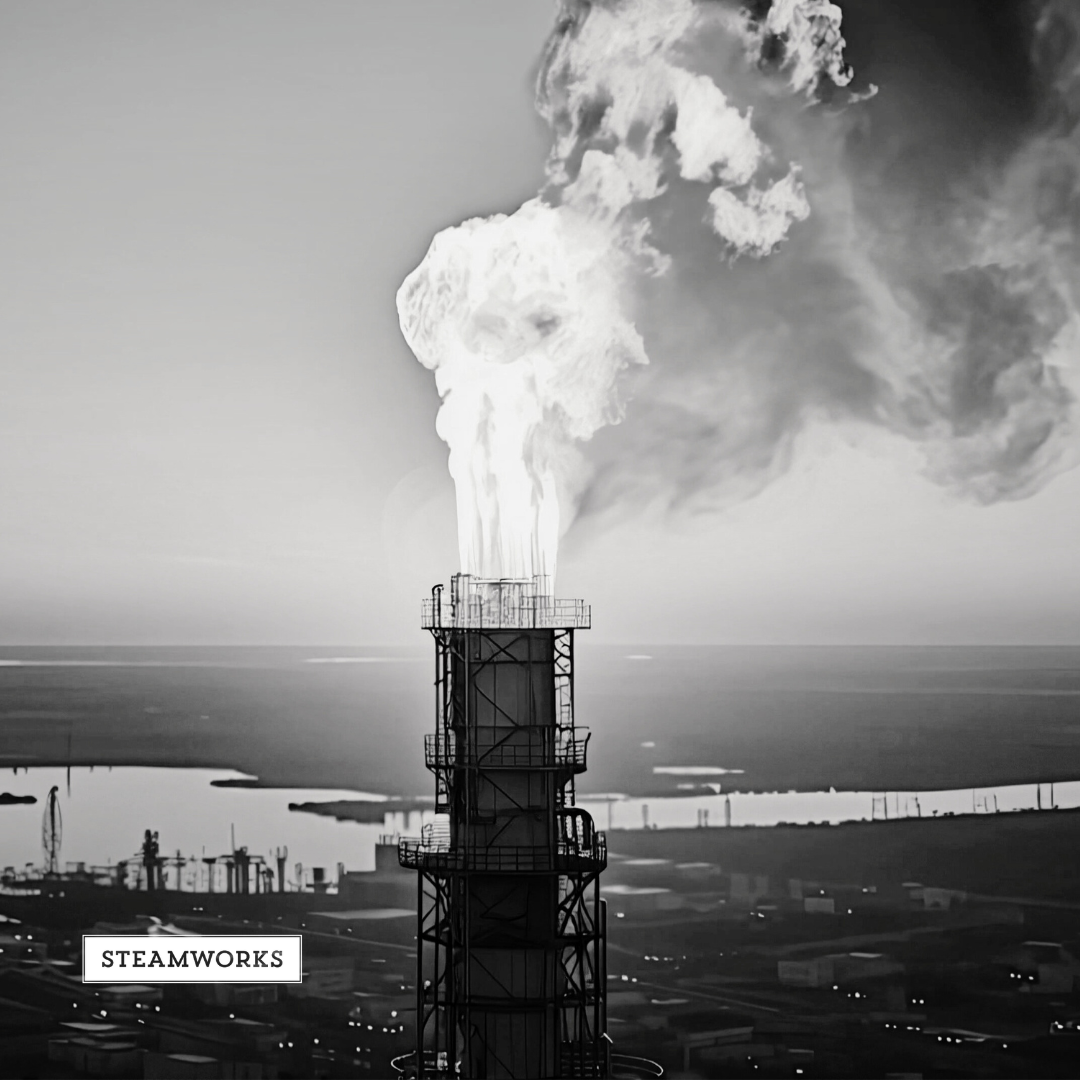
A fuel delivery system is one of the most critical components of an industrial boiler. Its function is simple in concept—safely deliver the right amount of fuel, at the right pressure and quality, to support efficient combustion—but in practice it involves a coordinated network of equipment, controls, safety devices, and operator oversight. A healthy fuel system directly influences a boiler’s efficiency, reliability, emissions, and safety performance.
Let’s look at what really makes fuel delivery work, the safety backbone of every fuel system, the silent saboteurs of fuel performance and why fuel flow determines your boiler’s performance.
Steam’s Most Vulnerable Zones
If you’re a boiler operator, maintenance staff, or a facility leader, this is a must-read.
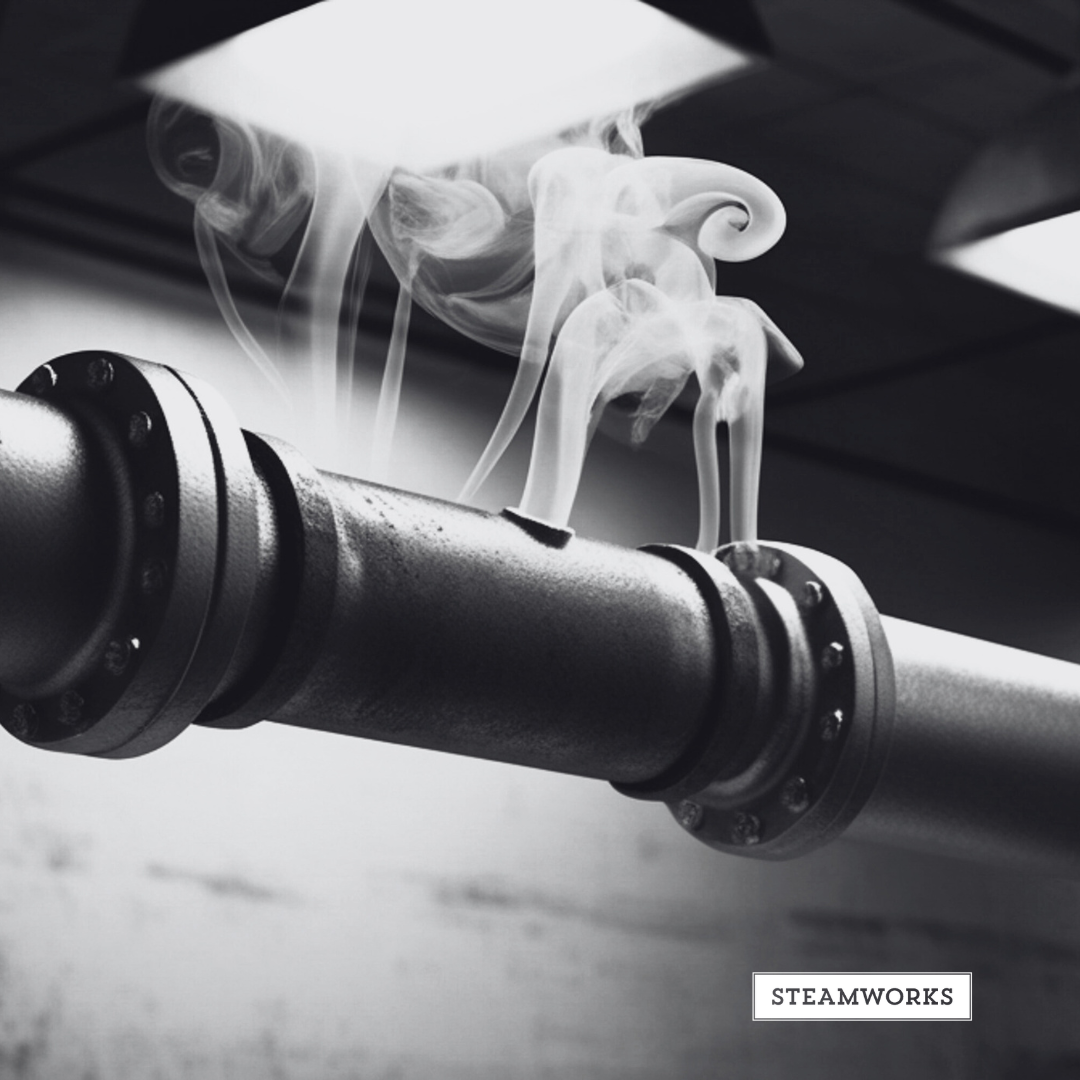
We are looking at the most vulnerable zones of steam and condensate systems. Particularly, where problems are most likely to occur and where attention delivers the highest value.
The Lungs of the Boiler: Inside Combustion Air and Draft Systems
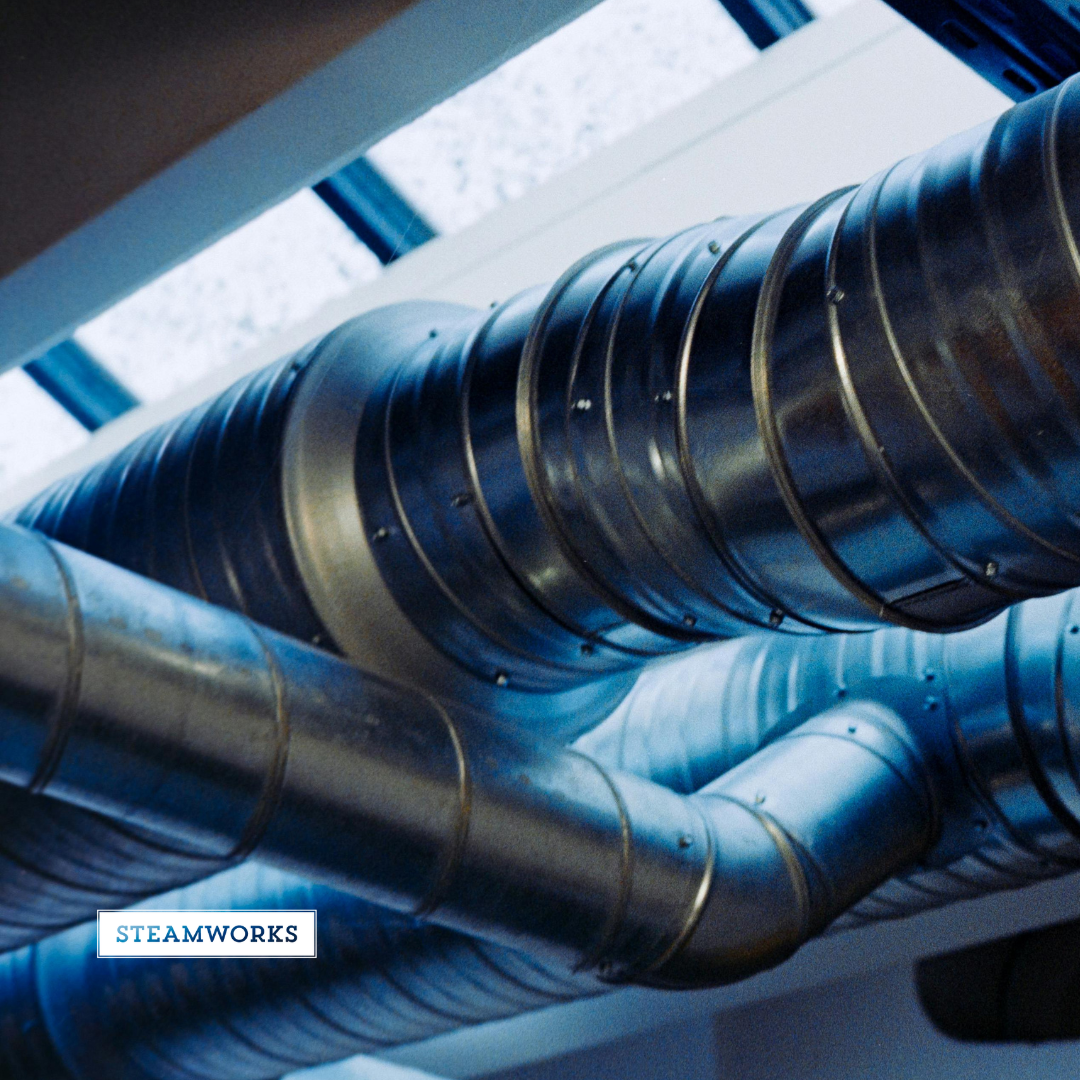
Combustion in an industrial boiler doesn’t happen by fuel alone, the supply and movement of air are just as critical. The combustion air and draft systems form the “lungs” of the boiler, ensuring the burner receives the right amount of oxygen and that combustion gases are safely removed.
When these systems work properly, boilers burn cleanly, efficiently, and reliably. When they don’t, the result can be flame instability, excessive emissions, fuel waste, or even unsafe operating conditions.
Let’s look at the invisible ingredient every flame depends on, the critical balance driving boiler performance, fine-tuning the flame, and airflow assassins.
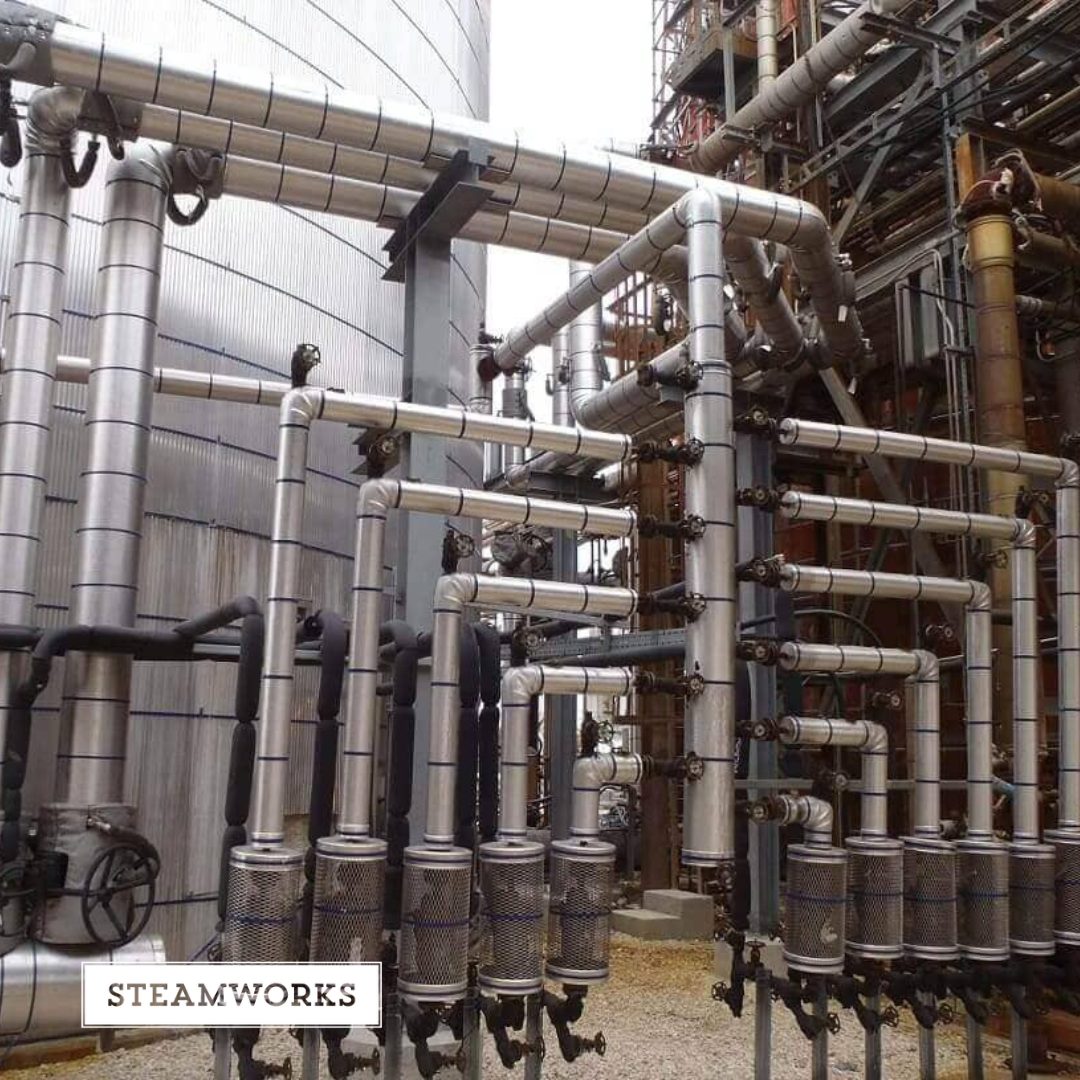
Understanding and Preventing Water Hammer
Water hammer is not just “noise in the pipe.” It’s a pressure surge that occurs when steam and liquid water interact in ways the system wasn’t designed to handle. Steam moves fast. Condensate does not compress. When a slug of condensate sits in a pipe and steam accelerates into it, the condensate becomes a moving mass. That mass can reach high speed and then collide with an elbow, valve, reducer, or dead end. The collision sends a shockwave through the piping.
Two things make this especially destructive:
Condensate is dense and incompressible. Even a small volume carries huge kinetic energy when moving at steam velocity.
Steam systems are full of direction changes and flow restrictions. Every elbow, control valve, and tee is a potential impact point.
The characteristic symptoms—sharp hammering or banging, pipes “jumping,” vibration, and fluctuating pressure—are warnings that the system is experiencing forces far beyond normal design loads.
Continue reading to learn more about the causes, various types, how to avoid it, troubleshooting, early warning signs, and what to do if it occurs.
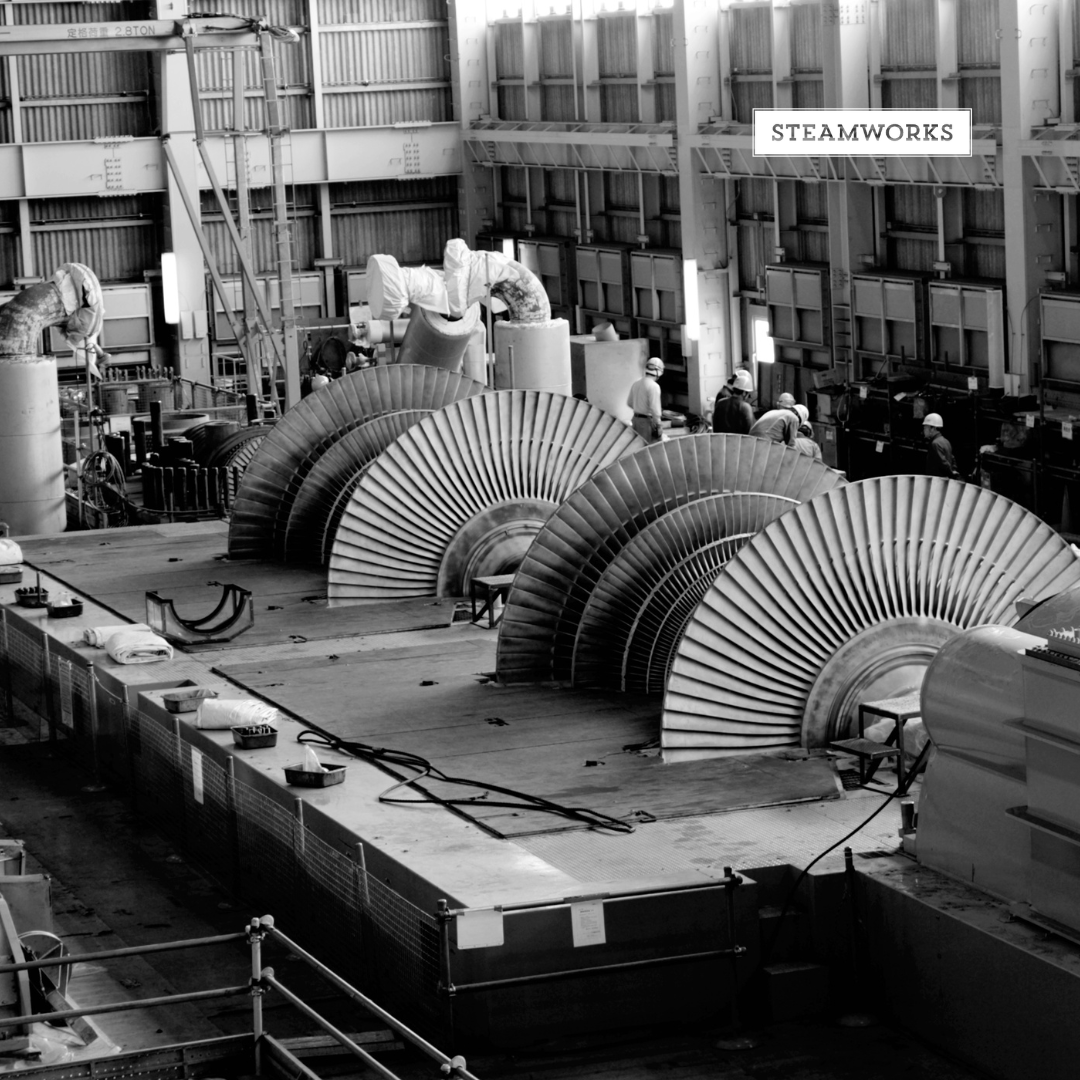
From Vapor to Velocity - The Remarkable Work of Steam Turbines
In this article, we’re going to look at steam turbines. Even veteran boiler operators may not understand the magic that happens in a steam turbine facility.
In some industrial steam systems, turbines play a critical role in transforming the thermal energy stored in high-pressure steam into mechanical work. This conversion powers essential equipment, drives electrical generators, and helps facilities improve overall efficiency. Understanding the physics of it all, how pressure turns into profits, and what operators must get right, is important for operators, maintenance teams, and anyone managing steam-powered processes.
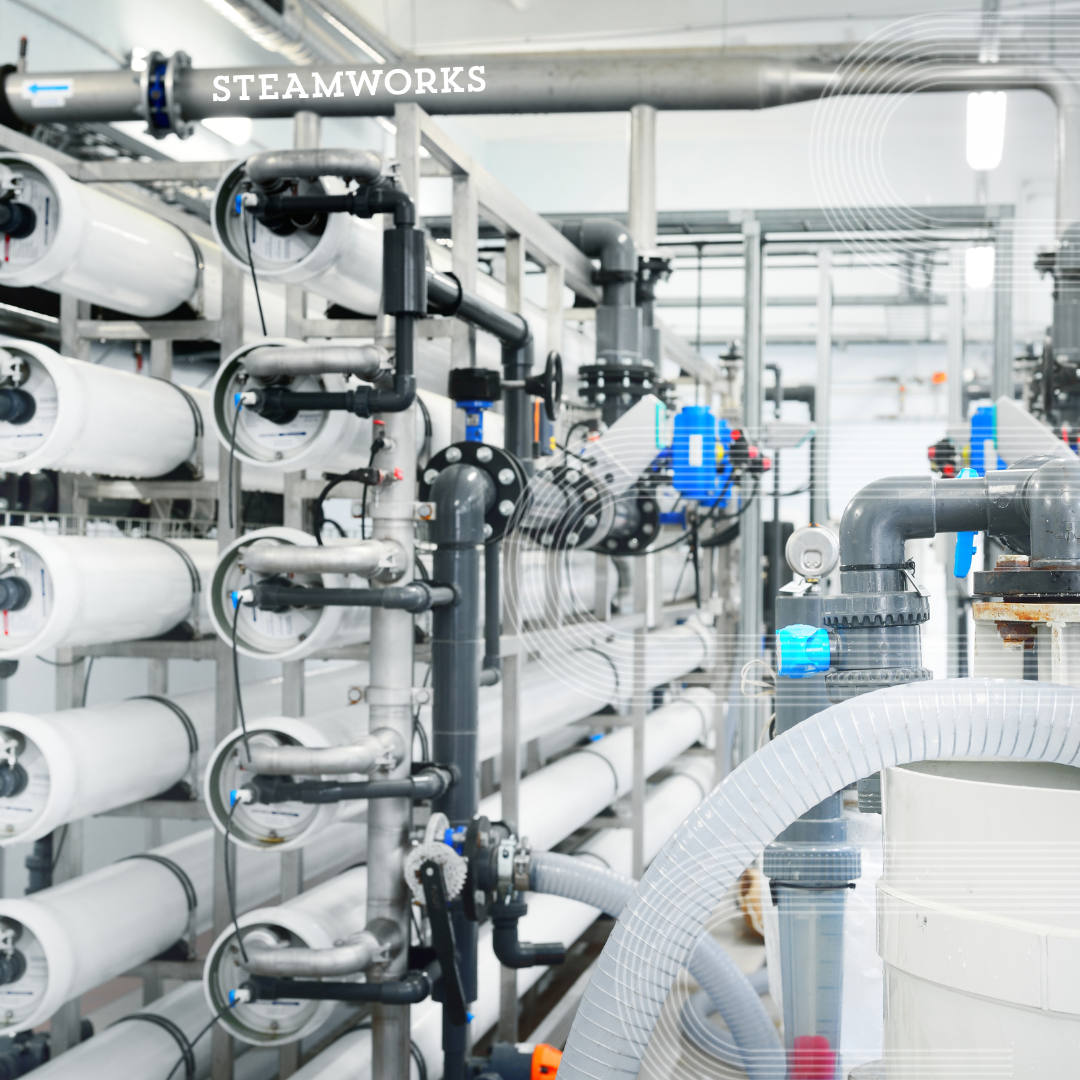
Fueling the Boiler’s Heartbeat – Master Feedwater Management
The feedwater system is the heartbeat that nurtures the boiler’s lifeblood. It supplies the boiler with water at the proper quality, temperature, and pressure to sustain safe and reliable steam production.
While boilers often get all the attention, the feedwater system quietly determines how efficiently the boiler runs, how long it lasts, and how much downtime a plant avoids. When feedwater is managed correctly, steam systems operate smoothly. When neglected, corrosion, scale, carryover, and mechanical failures follow quickly.
In this article, we look at purpose of the feedwater system, the components we can't afford to ignore, and the chain reaction of problems if they are ignored.
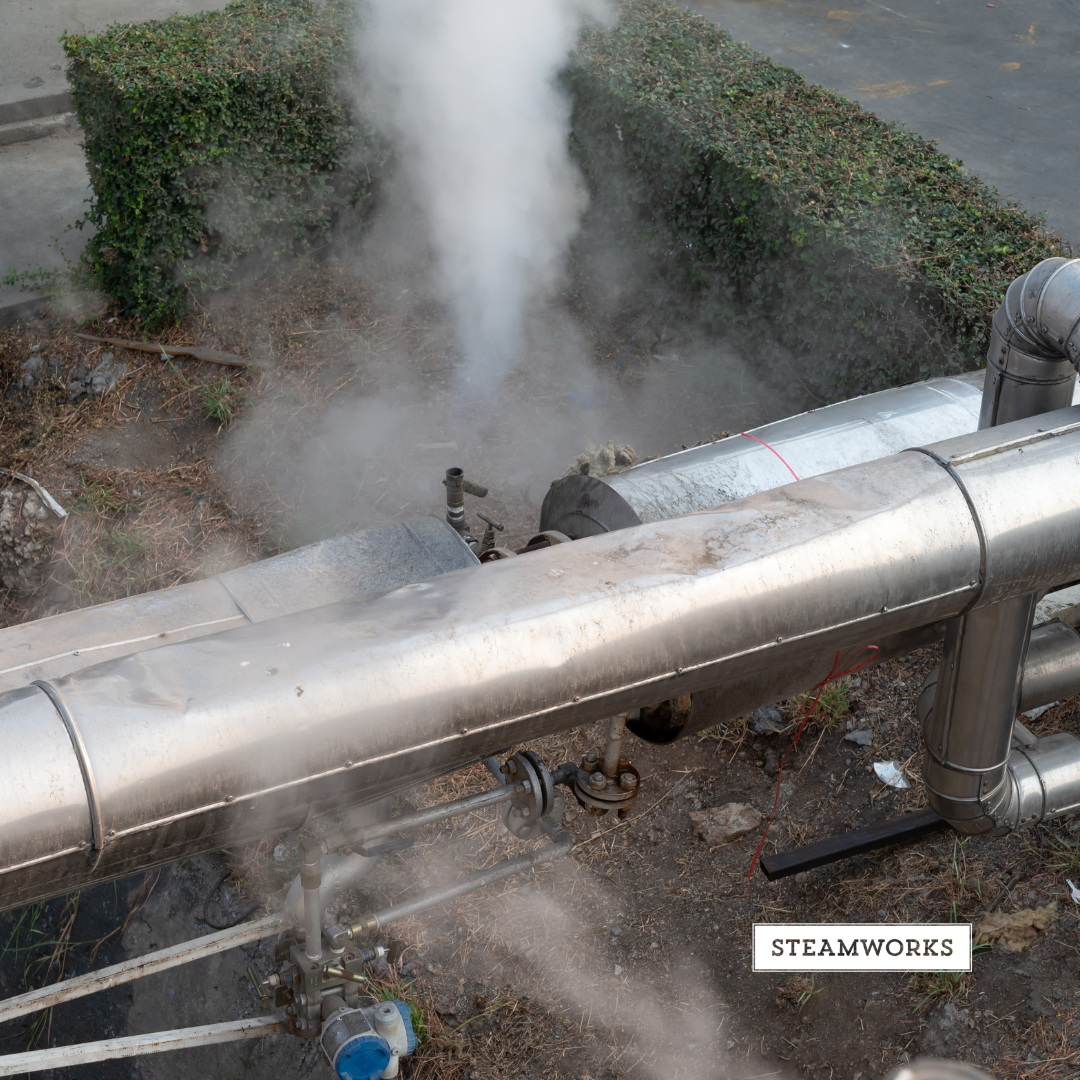
The Number One Concern for All Boiler Operators Everywhere
Steamworks has directly communicated with thousands of boiler operators over the past 20 years. Without questions, when it comes to steam boiler operation, safety is—and always will be—the top concern.
The reason for this is every decision a boiler operator makes, from startup to shut down, has a direct impact on the safety of personnel, equipment, and the facility itself. Steam under pressure is one of the most powerful forces in an industrial environment, and even small lapses in procedure can have catastrophic consequences.

The Lifeblood of an Industrial Steam System
What is the lifeblood of an industrial steam system? If you said water chemistry, you’d be right. The quality and treatment of the water directly affect the system’s efficiency, reliability, and lifespan. Poor water chemistry doesn’t just reduce performance, it silently destroys equipment, increases operating costs, and can lead to dangerous system failures.
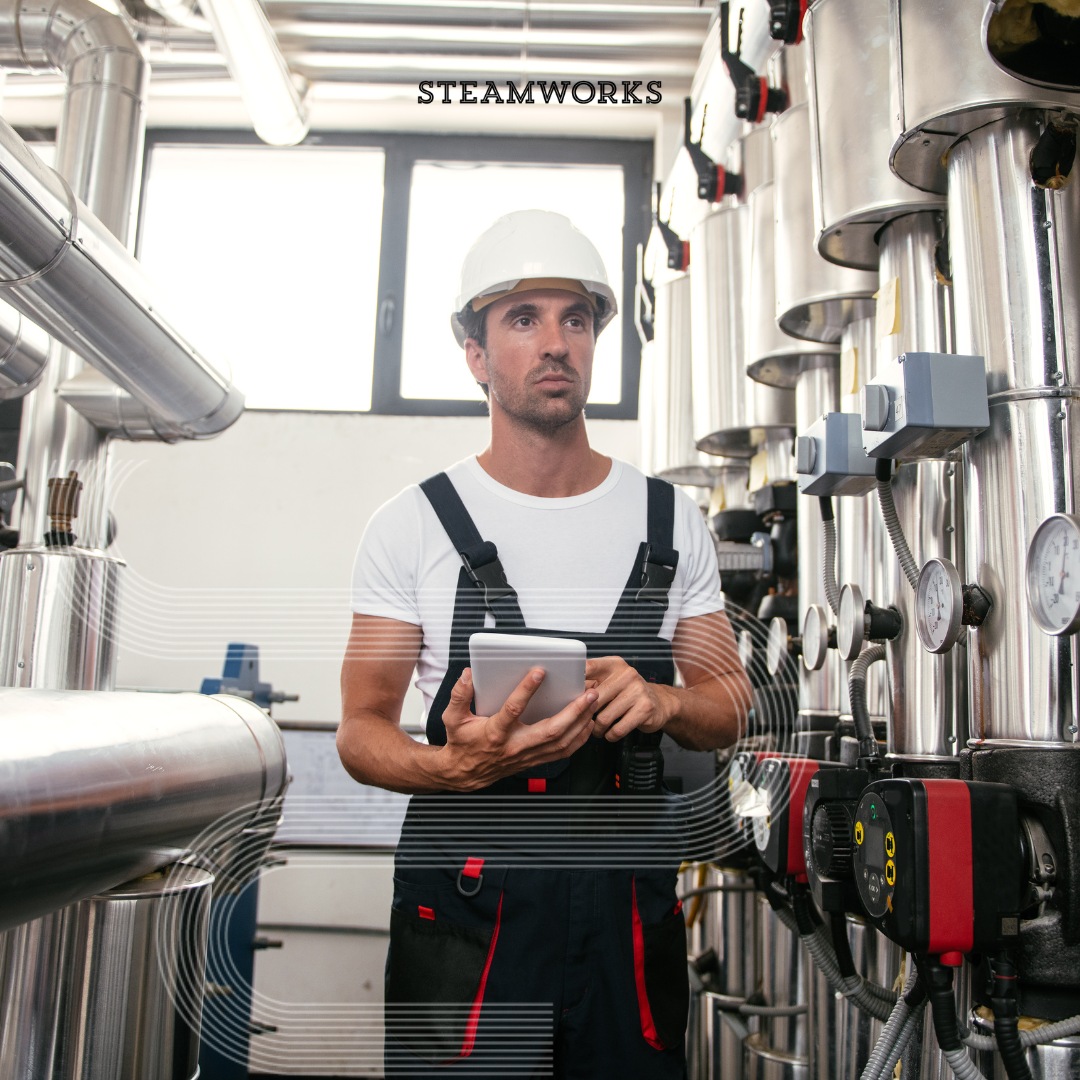
Exempt Eases Regulatory Requirements, but it Doesn’t Reduce Risks
Many industrial facilities operate under “exempt” status, meaning they are not required by state law to employ licensed boiler operators. While this exemption may ease regulatory requirements, it does not reduce the risks associated with operating steam systems.

6 Ways Energy Fluctuations Impact Steam Systems
An increase in energy demand in a manufacturing environment can have a significant impact on the operation of an industrial steam boiler. Let’s explore 6 ways energy fluctuations impact steam systems.

Causes and Risks of Valve Malfunctions
Valves are critical components of an industrial steam boiler system — controlling steam flow, maintaining pressure, ensuring safety, and isolating sections for maintenance. When they malfunction, it can compromise safety, efficiency, and reliability.
Let’s look at potential breakdowns of common valve malfunctions, their causes, and the risks they pose. And we’ll cover the 5 best practices to prevent valve malfunctions.