From Vapor to Velocity - The Remarkable Work of Steam Turbines
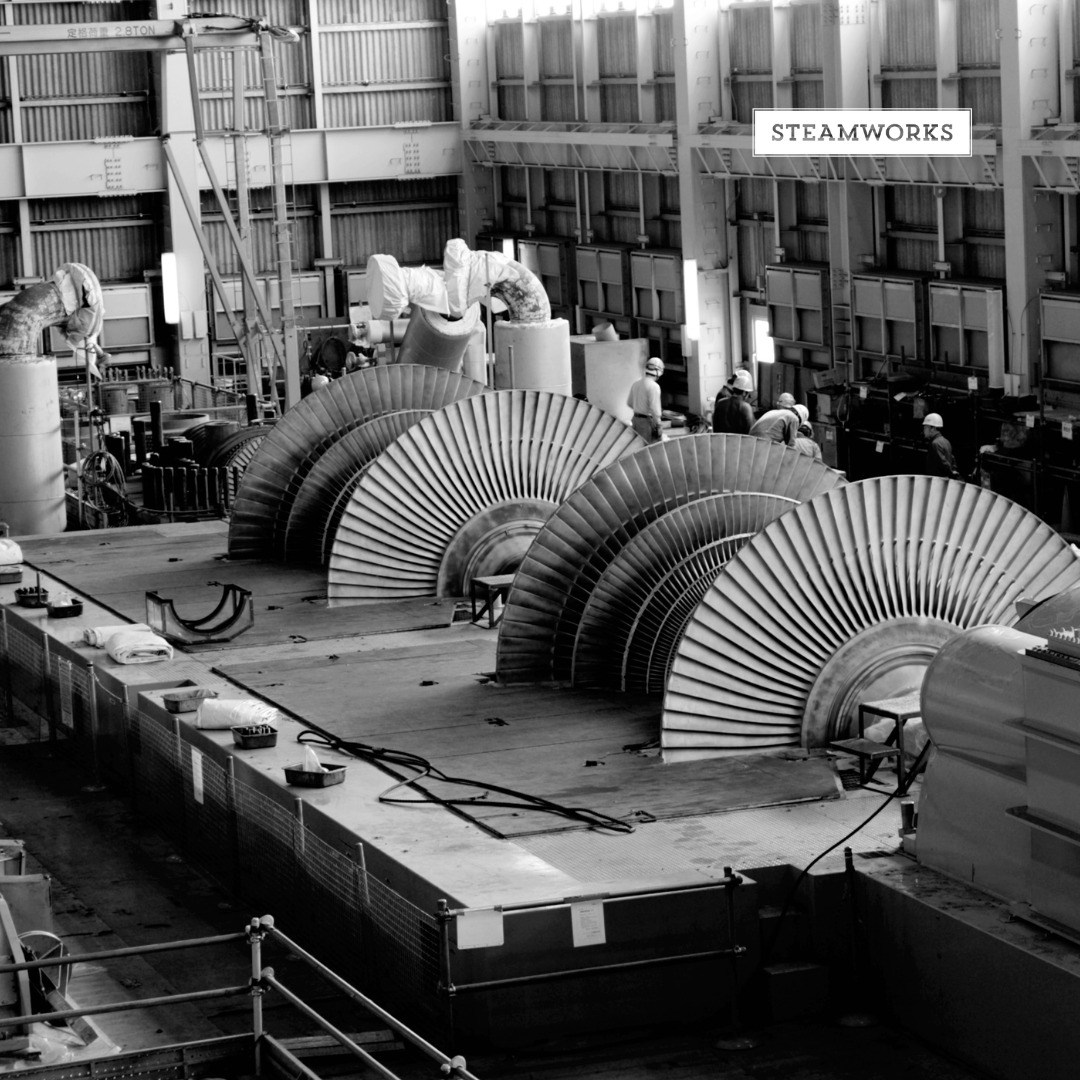
In this article, we’re going to look at steam turbines. Even veteran boiler operators may not understand the magic that happens in a steam turbine facility.
In some industrial steam systems, turbines play a critical role in transforming the thermal energy stored in high-pressure steam into mechanical work. This conversion powers essential equipment, drives electrical generators, and helps facilities improve overall efficiency. Understanding the physics of it all, how pressure turns into profits, and what operators must get right, is important for operators, maintenance teams, and anyone managing steam-powered processes.
Where Physics Takes Over
Turbines operate on a simple principle: expanding steam contains energy, and that energy can be captured. High-pressure steam enters the turbine and flows across a series of precisely engineered blades. As the steam expands and loses pressure, it pushes the blades, causing the turbine shaft to spin. This rotational force is then used to:
Drive pumps, compressors, or fans
Generate electricity (in cogeneration or power-producing plants)
Provide mechanical power for various industrial processes
Because turbines rely on controlled steam expansion, they must be supplied with properly treated, dry, high-quality steam for safe and efficient operation.
Turning Pressure into Profit
Turbines allow facilities to recover energy that would otherwise be wasted. Instead of letting high-pressure steam reduce to a lower pressure through a valve—which produces no useful work—operators can route that steam through a turbine to capture some of its available energy. This leads to:
Improved energy efficiency
Lower fuel consumption
Reduced operating costs
Lower greenhouse gas emissions
Many industrial plants also use turbines as part of a combined heat and power (CHP) system, producing electricity while also generating useful steam for process needs.
What Operators Must Get Right
To keep turbines running safely and reliably, operators must pay attention to several key factors:
Steam quality: Wet or contaminated steam can erode turbine blades.
Lubrication and bearing health: Proper oil management prevents mechanical damage.
Vibration monitoring: Early detection of imbalance or misalignment prevents catastrophic failures.
Thermal expansion: Gradually warming up turbines avoids metal stress and cracking.
Routine inspections, vibration analysis, and proper warm-up procedures are essential to turbine longevity.
The Big Takeaway
Turbines are a highly efficient way to harness the power of steam. By converting steam’s energy into mechanical or electrical output, they help facilities reduce costs, increase reliability, and get more value from their steam systems. For plants focused on safety, performance, and sustainability, understanding turbine function is a key part of effective steam-system management.
This and much more is covered in a Steamworks license exam preparation and training course. Arm your team with the tools they need to ensure safe, efficient, and reliable valves.
STEAMWORKS offers standard and custom training. Contact us today!