
How to Diagnose a Steam Trap Failure
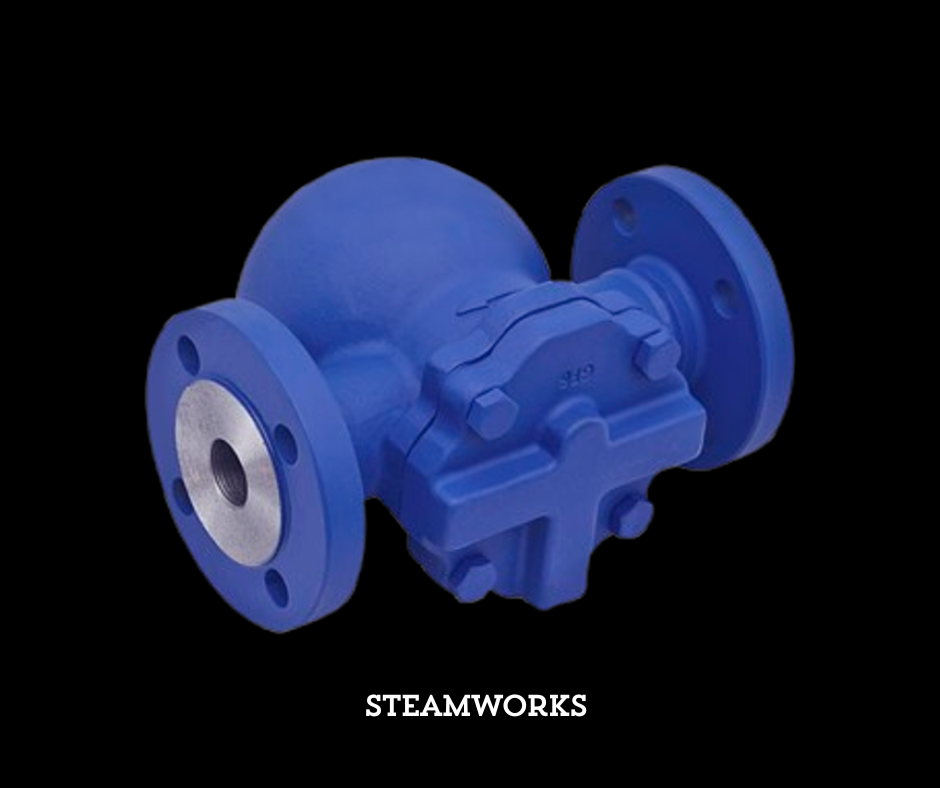
Steam Trap Failure
Steam traps are wonderful tools, helping regulate piping systems and heat exchangers for long life and maximum efficiency. But steam traps, like all mechanical systems, can fail–resulting in dangerous conditions and major increases in cost. Line debris and scale can jam up a steam trap, sealing steam in or disrupting the moving pieces. Water hammer (a dangerous condition caused when water is carried along a steam line) can dent, bend, or even break fragile parts. Freezing conditions can clog or even destroy a steam trap. It’s essential that operators and maintenance personnel know how to recognize these failures, so the problem can be fixed promptly and safely.
Open Failure versus Closed Failure
When a steam trap fails, it can fail in one of two ways. The central purpose of a steam trap is to keep steam in the system, while letting condensate and other non-condensable gases (like oxygen) escape. If a trap fails open, it means it's continuing to let the condensate and gases out–but it's letting steam out with it! Not only can this be a tremendous waste of resources (you’re paying for that steam, after all), but it can cause water hammer in the condensate line.
If a trap fails closed, it means that everything, the steam and the gas and the condensate, is being kept within the steam system. This can cause water hammer in the steam line, but it also can lead to condensate flooding in the heat exchangers or other equipment meant to use steam. Steam driven food processors can put out extra moisture which ruins the product. Heat exchangers can become waterlogged, significantly reducing their ability to work while increasing the resources they’re using.
Both forms of failure increase risk, while decreasing efficiency. But how can you know when this is happened?
Testing a Steam Trap
No method is perfect, but there are several trustworthy ways that a skilled operator or technician can test a steam trap to make sure it’s operating properly.
The first is temperature. Because condensate is cooler than steam, the discharge line of a steam trap should be cooler than the supply side–usually around 10 to 20 degrees cooler. Simply use some sort of temperature testing device, such as an infrared thermometer or thermal imaging equipment to check the differential. If there’s not a significant change across the trap, it has most likely failed. Additionally, you can use this temperature test to check HOW it has failed. If the trap is the same hot temperature on both sides, it could mean you have steam flowing through, which would indicate a failed open trap. If it's cold on both sides (colder than you’d expect from your steam line), then your trap has probably failed close.
The second method is by use of sound. Steam traps have moving parts, which means they make somewhat predictable sounds when operating properly. Some of these you can hear unaided, like the cycling of a disc trap, others require tools like an ultrasonic stethoscope. A consistent hiss could be steam leaking through. A rattling sound might mean your trap is not seating properly. Silence could indicate a closed failure. This is an excellent way to test a steam trap, but it requires a fair amount of skill, since it can be easy to mishear or misdiagnose what you hear, and every trap sounds a little different. Consulting the manufacturer guidelines for your individual traps can help you know what to listen for.
The best method is visual identification–but this requires the installation of trap test valves. Two valves, or one three way valve, are placed just downstream of the trap. By opening the test valve and closing off the discharge line, you can see the discharge for yourself (make sure the line is opening in a safe direction, away from you!) If little to nothing is coming from the line, it could mean your valve has failed closed. If a steady stream of steam is escaping, it could mean your trap has failed open.
One note with the above method! Be sure to recognize the pressure in the condensate line, if the condensate pressure is very high, or if the steam supply to the condensate line is very high you should expect to see a lot of flash steam. This can make it seem that your trap is failed open, when it is really condensate flashing into steam that you are experiencing. Rule of thumb is to be very aware of this in applications beyond 250psi.
In any case, strong familiarity with your traps, along with knowledge of your plants normal operating conditions are essential for properly assessing your traps. By paying attention to changes in condensate return or heat exchanger efficiency, by listening for water hammer, and by implementing regular tests, you can catch steam trap failures quickly saving your equipment, saving you money, and increasing your plant safety.
STEAMWORKS offers standard and custom training. Contact us today!