Steam’s Most Vulnerable Zones
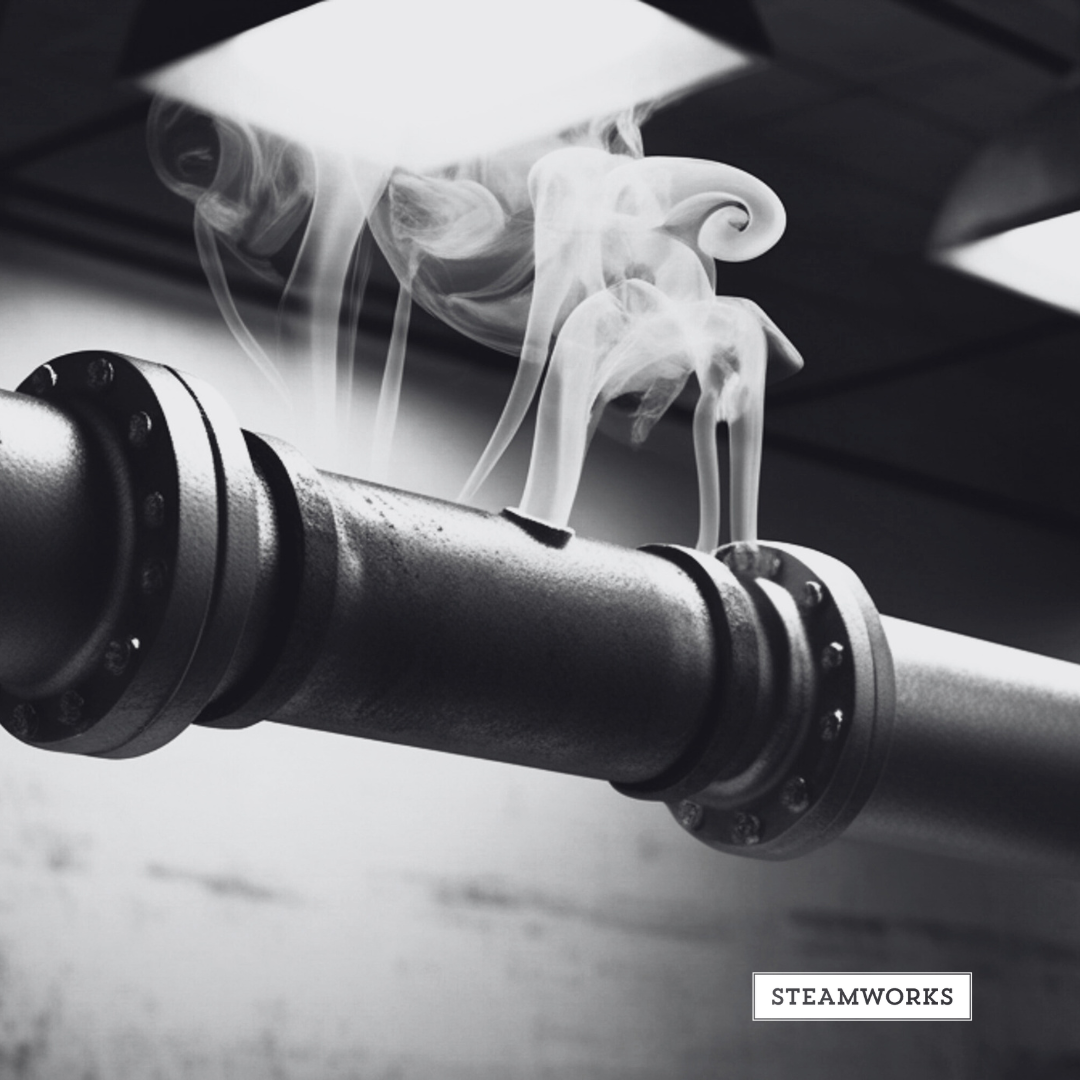
If you’re a boiler operator, maintenance staff, or a facility leader, this is a must-read.
We are looking at the most vulnerable zones of steam and condensate systems. Particularly, where problems are most likely to occur and where attention delivers the highest value.
In any industrial steam system, steam and condensate are constantly moving through a complex network of piping, valves, traps, and heat-transfer equipment. While the system may appear straightforward, produce steam, deliver it to the load, return the condensate, certain locations carry far greater operational, efficiency, and safety risks than others.
These “vulnerable zones” deserve consistent operator attention, as they represent the areas where problems develop first and where proactive action produces the highest payoff.
Six Points Every Operator Must Know
1. Steam Generation: The Boiler and Immediate Piping
The journey begins at the boiler, where water becomes steam. Because pressure, temperature, and flow change rapidly here, the first few feet of piping are among the most critical in the system.
Key concerns include:
Maintaining dry, high-quality steam
Preventing carryover that can damage turbines, valves, and process equipment
Monitoring drum level, blowdown, and water chemistry
Ensuring proper warm-up to avoid thermal shock
Mistakes at this point cascade through the entire system.
2. Steam Distribution Mains
Once steam leaves the boiler, it travels through distribution lines that must maintain both pressure and dryness.
Critical risks:
Sagging lines that create pockets where condensate collects
Improper insulation leading to heat loss and wet steam
Water hammer potential, especially during start-up or load swings
Corrosion caused by oxygen pitting or carbonic acid
Operators should regularly inspect low points, the supports, and drip legs.
3. Drip Legs and Steam Traps
Steam traps are among the most critical components in the entire system. They quietly manage condensate and air removal, yet they fail often and usually without warning.
Key vulnerabilities:
Failed-open traps wasting steam
Failed-closed traps causing flooding, hammering, and heat-transfer loss
Undersized or misapplied traps at high-load equipment
Regular testing, tagging, and documentation is essential.
4. Heat-Transfer Equipment (Heat Exchangers, Coils, Jacketed Vessels)
This is where steam performs useful work, but also where performance drops quickly if condensate isn’t removed efficiently.
Critical issues include:
Condensate backing up and reducing heat transfer
Inlet control valves fighting condensate build-up
Air binding and uneven heating
Freezing coils in colder environments
Operators should ensure proper trap selection and verify that condensate is flowing freely.
5. Condensate Return Lines
Condensate is valuable, it’s hot, treated water. Every gallon returned saves fuel, chemicals, and wear on the system. That makes the return network one of the most critical parts of the operation.
Major concerns:
Corrosion from carbonic acid formation
Low-pressure pockets where flashing occurs
Pump failures or venting issues at condensate receivers
Leaks at unions, strainers, or threaded connections
Even small leaks cost thousands in fuel and makeup water.
6. The Deaerator and Makeup Water System
The condensate eventually returns to the DA, where oxygen must be removed to protect the system.
Critical issues:
Improper DA pressure or temperature
Malfunctioning spray nozzles or trays
Vacuum formation during shutdowns
Makeup water quality drifting out of specification
A poorly functioning DA accelerates corrosion throughout the plant.
Why These Vulnerable Zones Matter
Trouble at any of these locations can lead to:
Lost efficiency and fuel waste
Water hammer and equipment damage
Reduced heat transfer
Increased emissions
Higher maintenance costs
Unexpected downtime or safety incidents
On the other hand, focusing on these areas produces strong returns: safer operation, lower costs, and a more reliable steam system.
This and much more is covered in a Steamworks license exam preparation and training course. Arm your team with the tools they need to ensure safe, efficient, and reliable valves.
STEAMWORKS offers standard and custom training. Contact us today!