The Lungs of the Boiler: Inside Combustion Air and Draft Systems
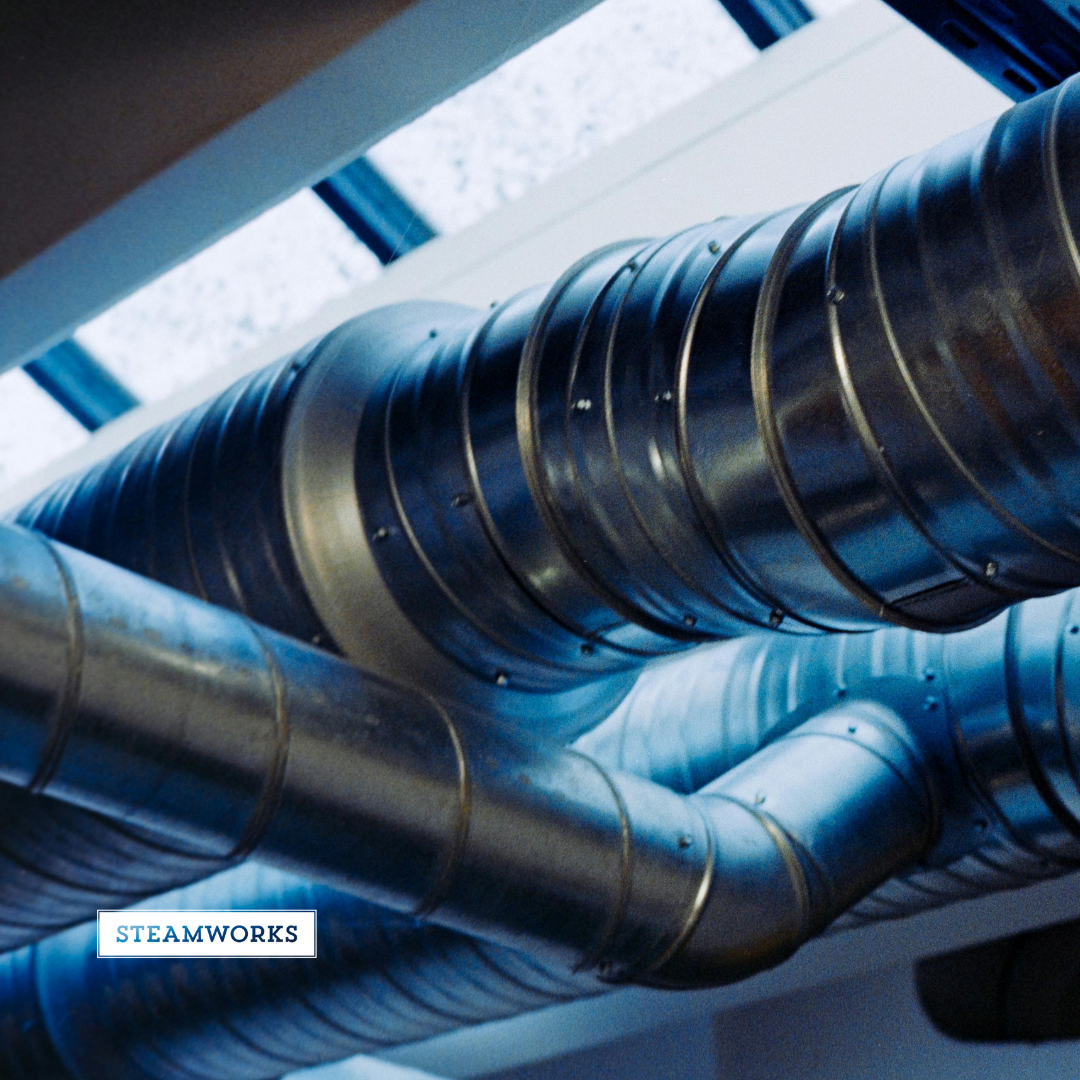
Combustion in an industrial boiler doesn’t happen by fuel alone, the supply and movement of air are just as critical. The combustion air and draft systems form the “lungs” of the boiler, ensuring the burner receives the right amount of oxygen and that combustion gases are safely removed.
When these systems work properly, boilers burn cleanly, efficiently, and reliably. When they don’t, the result can be flame instability, excessive emissions, fuel waste, or even unsafe operating conditions.
Let’s look at the invisible ingredient every flame depends on, the critical balance driving boiler performance, fine-tuning the flame, and airflow assassins.
The Invisible Ingredient Every Flame Depends On
Every fuel, whether natural gas or fuel oil, requires a specific amount of oxygen to burn completely. Combustion air systems supply and control that oxygen.
Key components include:
Forced Draft (FD) Fans: Push fresh air into the burner. The volume and pressure are modulated to match the firing rate.
Air Dampers & Louvers: Regulate the amount of air entering the system.
Air Filtration: Removes dust and debris to protect burners and maintain consistent air quality.
O₂ Trim Systems (when installed): Automatically adjust air levels to optimize efficiency and emissions.
Proper combustion air prevents issues such as soot formation, unburned fuel, CO production, and flame failure.
Draft Dynamics: The Critical Balance Driving Boiler Performance
Once combustion occurs, the products of combustion must be moved out of the boiler and vented safely through the stack. Draft systems ensure that flow.
There are two main types:
Natural Draft: Created by the height and temperature differential in the stack. More common in older systems or smaller boilers.
Mechanical Draft: Induced or forced draft fans mechanically pull or push flue gases through the boiler, offering tighter control and higher efficiency.
Draft systems maintain the proper pressure balance inside the boiler, which affects flame stability, heat transfer, and overall safety.
Fine-Tuning the Flame: Why Proper Balance Changes Everything
Maintaining the relationship between fuel, air, and draft is essential for:
Stable, controllable flame quality
Reduced fuel consumption
Lower greenhouse gas and particulate emissions
Consistent steam output
Protection of boiler tubes and refractory from overheating or corrosion
Even slight deviations—such as inadequate draft or excessive air—can reduce efficiency or cause the burner to trip.
Airflow Assassins: Operational Problems That Steal Efficiency
Operators often encounter issues when:
Air filters become clogged, restricting airflow
Dampers stick or fail to modulate
FD or ID fans suffer bearing wear, vibration, or belt problems
Stack obstructions create high draft pressure
Improper air–fuel ratio settings lead to incomplete combustion
Routine inspection, calibration, and testing help prevent these problems before they impact operations.
The Big Takeaway
Combustion air and draft systems are critical to safe and efficient boiler operation. When properly maintained and balanced, they ensure clean combustion, maximize heat transfer, and protect both equipment and personnel. For any facility seeking higher efficiency, reliability, and safety, mastering the fundamentals of air and draft management is essential.
This and much more is covered in a Steamworks license exam preparation and training course. Arm your team with the tools they need to ensure safe, efficient, and reliable valves.
STEAMWORKS offers standard and custom training. Contact us today!