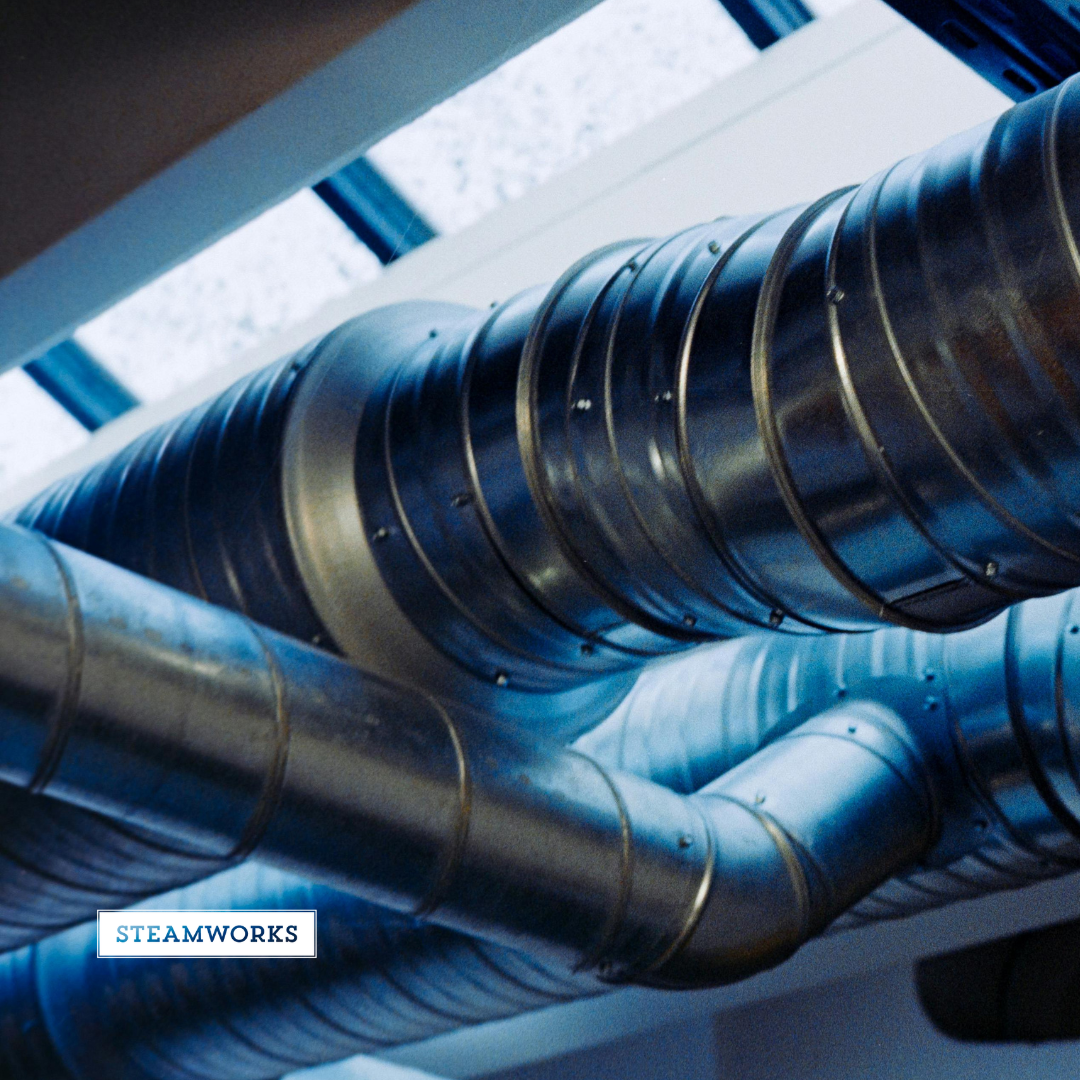
The Lungs of the Boiler: Inside Combustion Air and Draft Systems
Combustion in an industrial boiler doesn’t happen by fuel alone, the supply and movement of air are just as critical. The combustion air and draft systems form the “lungs” of the boiler, ensuring the burner receives the right amount of oxygen and that combustion gases are safely removed.
When these systems work properly, boilers burn cleanly, efficiently, and reliably. When they don’t, the result can be flame instability, excessive emissions, fuel waste, or even unsafe operating conditions.
Let’s look at the invisible ingredient every flame depends on, the critical balance driving boiler performance, fine-tuning the flame, and airflow assassins.
Understanding and Preventing Water Hammer
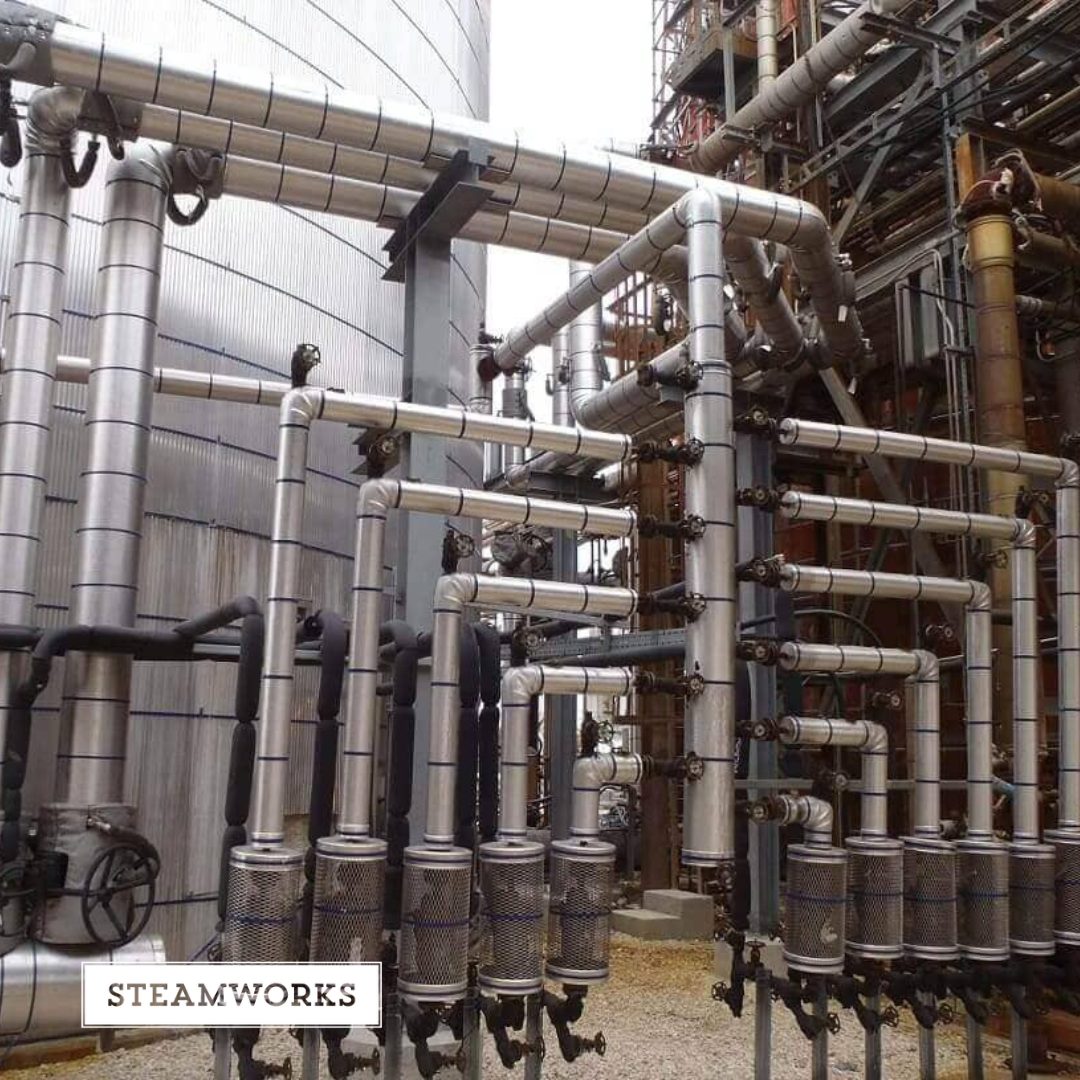
Water hammer is not just “noise in the pipe.” It’s a pressure surge that occurs when steam and liquid water interact in ways the system wasn’t designed to handle. Steam moves fast. Condensate does not compress. When a slug of condensate sits in a pipe and steam accelerates into it, the condensate becomes a moving mass. That mass can reach high speed and then collide with an elbow, valve, reducer, or dead end. The collision sends a shockwave through the piping.
Two things make this especially destructive:
Condensate is dense and incompressible. Even a small volume carries huge kinetic energy when moving at steam velocity.
Steam systems are full of direction changes and flow restrictions. Every elbow, control valve, and tee is a potential impact point.
The characteristic symptoms—sharp hammering or banging, pipes “jumping,” vibration, and fluctuating pressure—are warnings that the system is experiencing forces far beyond normal design loads.
Continue reading to learn more about the causes, various types, how to avoid it, troubleshooting, early warning signs, and what to do if it occurs.
Fueling the Boiler’s Heartbeat – Master Feedwater Management
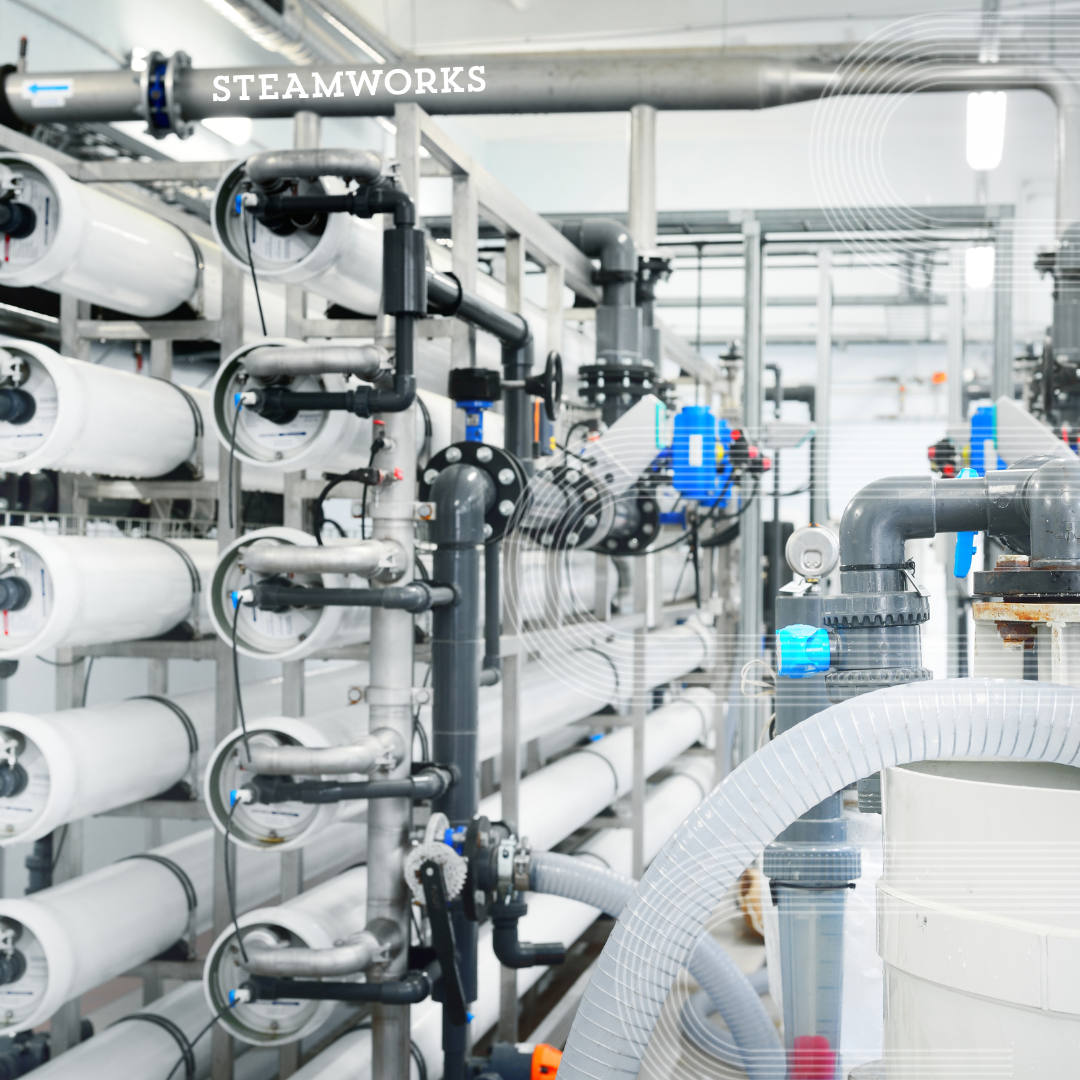
The feedwater system is the heartbeat that nurtures the boiler’s lifeblood. It supplies the boiler with water at the proper quality, temperature, and pressure to sustain safe and reliable steam production.
While boilers often get all the attention, the feedwater system quietly determines how efficiently the boiler runs, how long it lasts, and how much downtime a plant avoids. When feedwater is managed correctly, steam systems operate smoothly. When neglected, corrosion, scale, carryover, and mechanical failures follow quickly.
In this article, we look at purpose of the feedwater system, the components we can't afford to ignore, and the chain reaction of problems if they are ignored.

The Lifeblood of an Industrial Steam System
What is the lifeblood of an industrial steam system? If you said water chemistry, you’d be right. The quality and treatment of the water directly affect the system’s efficiency, reliability, and lifespan. Poor water chemistry doesn’t just reduce performance, it silently destroys equipment, increases operating costs, and can lead to dangerous system failures.

6 Ways Energy Fluctuations Impact Steam Systems
An increase in energy demand in a manufacturing environment can have a significant impact on the operation of an industrial steam boiler. Let’s explore 6 ways energy fluctuations impact steam systems.

Causes and Risks of Valve Malfunctions
Valves are critical components of an industrial steam boiler system — controlling steam flow, maintaining pressure, ensuring safety, and isolating sections for maintenance. When they malfunction, it can compromise safety, efficiency, and reliability.
Let’s look at potential breakdowns of common valve malfunctions, their causes, and the risks they pose. And we’ll cover the 5 best practices to prevent valve malfunctions.

Sustainable Practices for Steam Systems
With growing emphasis on sustainable practices, you no doubt feel the pressure to reduce the environmental impact of your steam systems. And you are expected to do this in addition to your daily responsibilities. It can seem like an unattainable endeavor, especially with older equipment and tight budgets. Steamworks feels your pain.

What Conditions Merit an Emergency Shutdown?
The potential uncontrolled energy release in a boiler is tremendous. It’s a huge responsibility. Additionally, shutting down boilers are often a major upset to the entire plant process. After all, they keep the plant humming along.
Because of this the boiler operating job should - at least in part – feel like a lot of rehearsal. The old adage, “if you don’t use it, you lose it” certainly rings true here. Since the stakes are so high, an operator needs to understand the equipment and a certain level of courage to act in moments that need a response. Of course, responding competently is the key in keeping safety standards high and operational concerns at bay.